Jack-Up Rig Engineering
Mitigate risk and deliver safe, stable jack-up engineering projects with expert support built on thousands of successful installations.
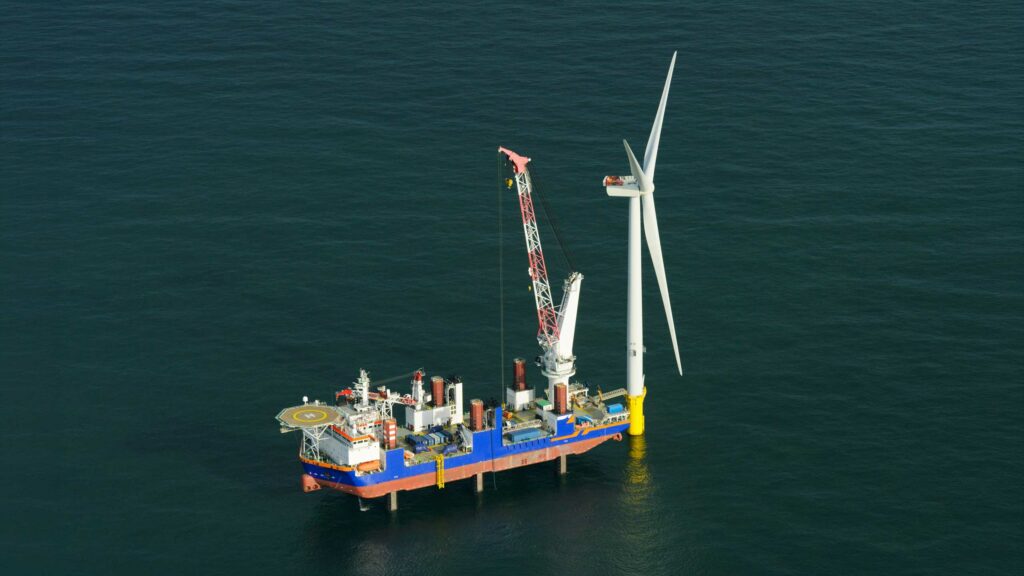
Jack-up units are crucial, high-value assets for the offshore wind industry, playing an essential role in both construction and operations & maintenance (O&M) campaigns.
The success of these units is dependent on variables such as ground risk and prior evaluation. Neglecting this due diligence can result in dangerous situations that prove costly down the line; potentially delaying project timelines and threatening long-term structural integrity.
Work with OWC’s geoscience team to ensure your offshore jack-up rig is fit for purpose and installed correctly to generate long-term results.

Turning ground risk into operational confidence
We support you to ensure the safe and efficient deployment or extraction of your asset, anywhere in the world.
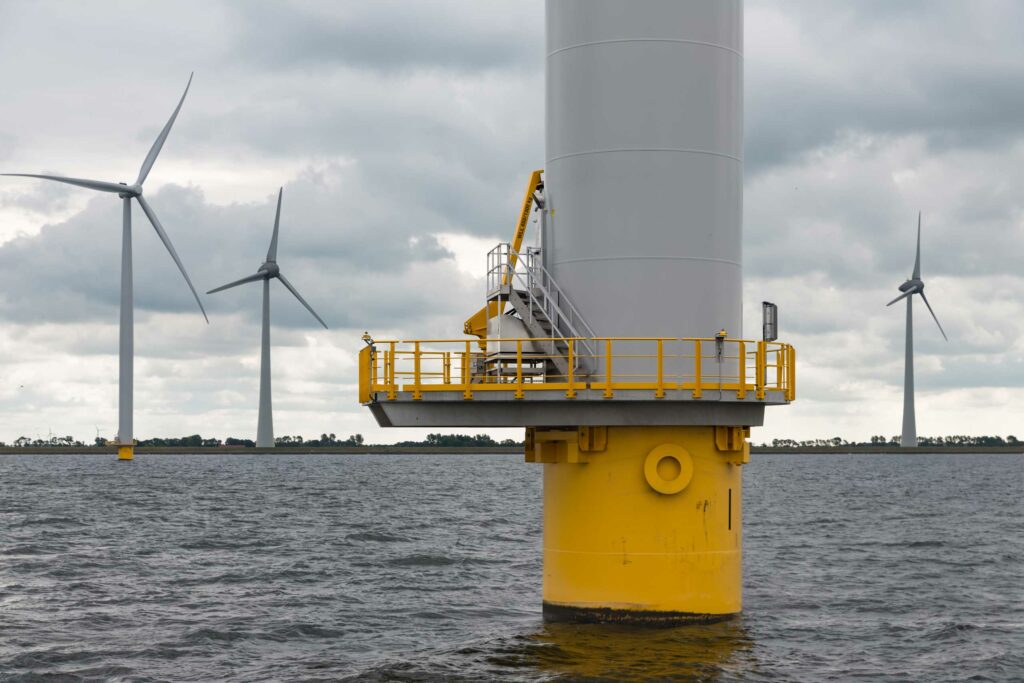
Through more than 5,000 leg penetration analyses (LPAs), extensive leg extraction analysis (LEA) and scour studies, and deep offshore operational insight, we deliver fast, dependable analysis that helps clients to:
- Predict leg performance before mobilisation
- Avoid costly installation delays and non-productive time
- Protect asset structure and extend lifespan
- Plan safe extraction with realistic force calculations
- Optimise operations across drilling, construction, and offshore wind campaigns
Our focus is on delivering cost-effective, dependable services that optimise asset performance and reduce operational risk.
Challenges facing jack-up rig engineering
Deep Leg Penetration
- Leg extraction issues
- Lack of leg length
- Lack of jetting capacity
Interaction With Seabed Features
- Pipelines
- Previous punch-through/spudcan footprints
- Debris hang-up issues
Shallow Leg Penetration
- Sliding
- Scouring
- Stability issues
Geohazards of Soil
- Slope instability
- Unexpected gas pockets
- Channel infilling
How we support your project
We conduct roughly 1,900 jack-up rig engineering studies each year, supporting clients in the safe and optimised installation and extraction of their offshore equipment.
Our work covers the full suite of geotechnical studies:
Leg Penetration Analysis (LPA)
The LPA evaluates soil conditions to predict anticipated leg penetration and assess risks during offshore deployment. It also forms a key component of site-specific assessments (SSA) to ensure structural integrity for jack-up operations at specific locations.
Your Benefit: We determine expected leg penetration at the planned location, enabling proactive evaluation of operational risks before installation.
Leg Extraction Analysis (LEA)
Following operations, legs embedded in the seabed must be safely retracted, which becomes more challenging with deeper penetration. The LEA estimates extraction forces in advance, particularly for locations where difficult operations are expected.
Your Benefit: The LEA helps define safe extraction forces, reducing the risk of damage to the asset, environment, or personnel.
Scour Analysis
Scour studies assess the potential for seabed erosion or subsidence caused by currents, waves, and water flow – factors that can undermine jack-up rig stability. These analyses are especially relevant where sliding or instability is anticipated.
Your Benefit: Where scour risk is identified, mitigation measures may include increased preload, review of soil profiles, or reorienting the unit.
The value we bring
+5000 LPAs across major jack-up regions in oil & gas and offshore wind
Extensive experience in all core geotechnical study types
Supported by +1300 rig moves annually
Proprietary database including +250 jack-up designs
A global footprint enabling 24/7 service
Expedited LPA delivery (1-2 days) via the Aqualis geoscience center of excellence
Jack-up Engineering with Longitude
OWC’s geoscience capability is further enhanced by our sister company, Longitude’s, specialised capabilities in jack-up engineering, supporting all types of assets from concept and feasibility through to asset integrity, life extension and decommissioning.
Explore Jack-up Engineering with Longitude >>

Questions? Get in touch
Related Services
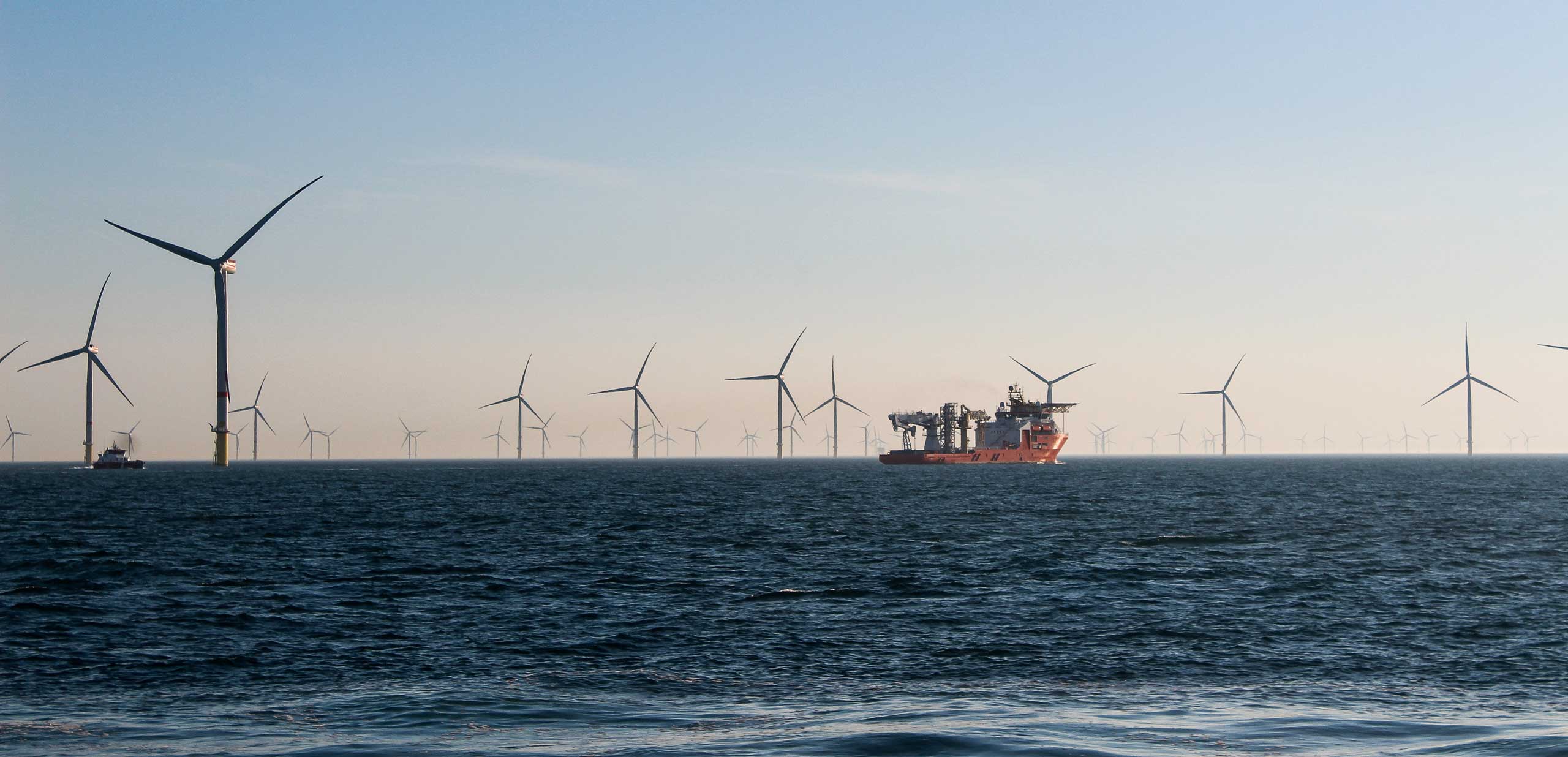
Technical Studies
Geoscience
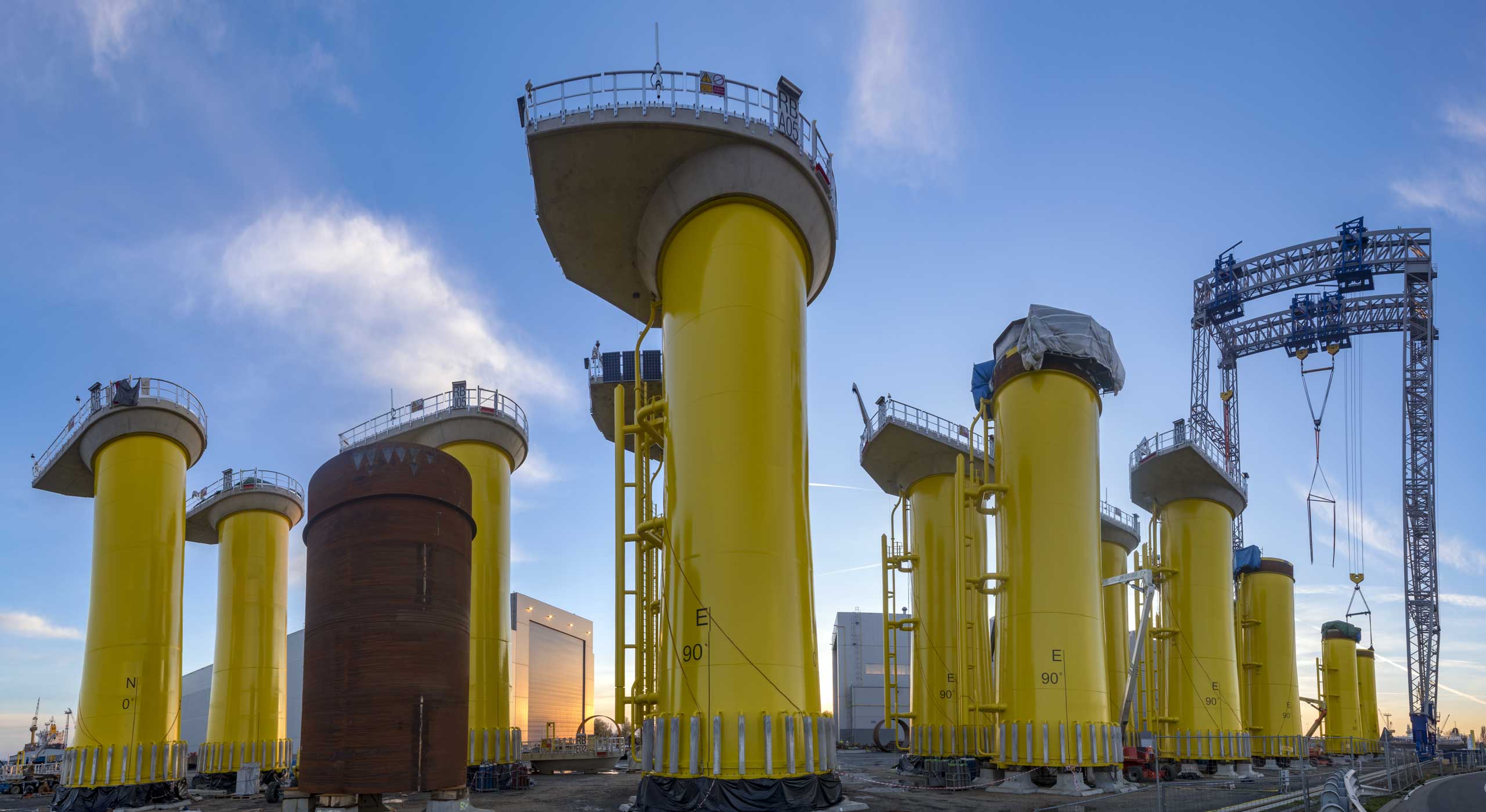
Fixed & Floating Foundation Engineering & Design
Related News & Media
Meet the Team: Radoslaw Lubiecki, Principal Consultant | OWC Japan
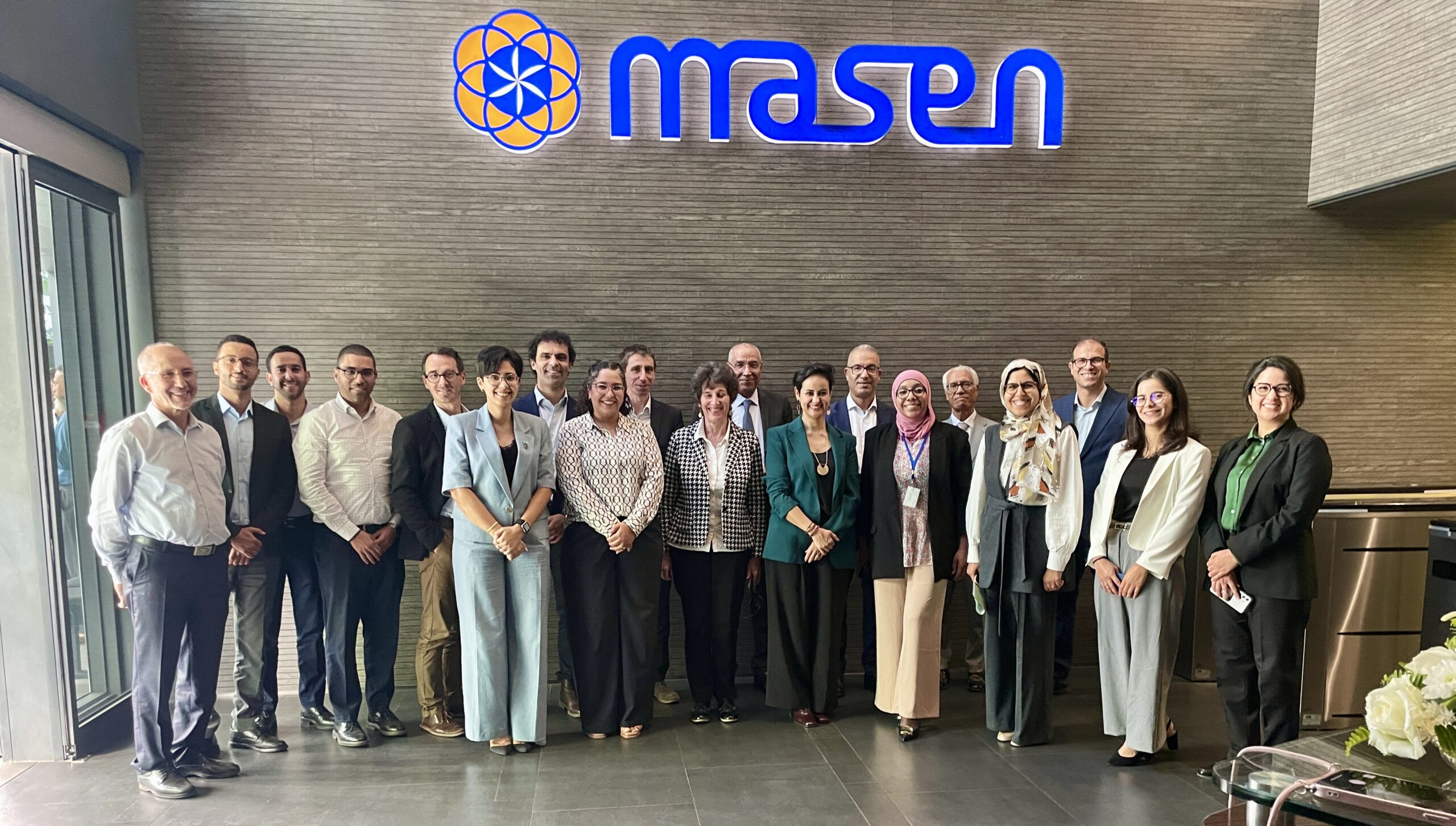
OWC is leading a consortium advising Morocco’s first offshore wind development
Meet the Team: Minjy Lee, PhD, Junior Geotechnical Engineer | OWC South Korea
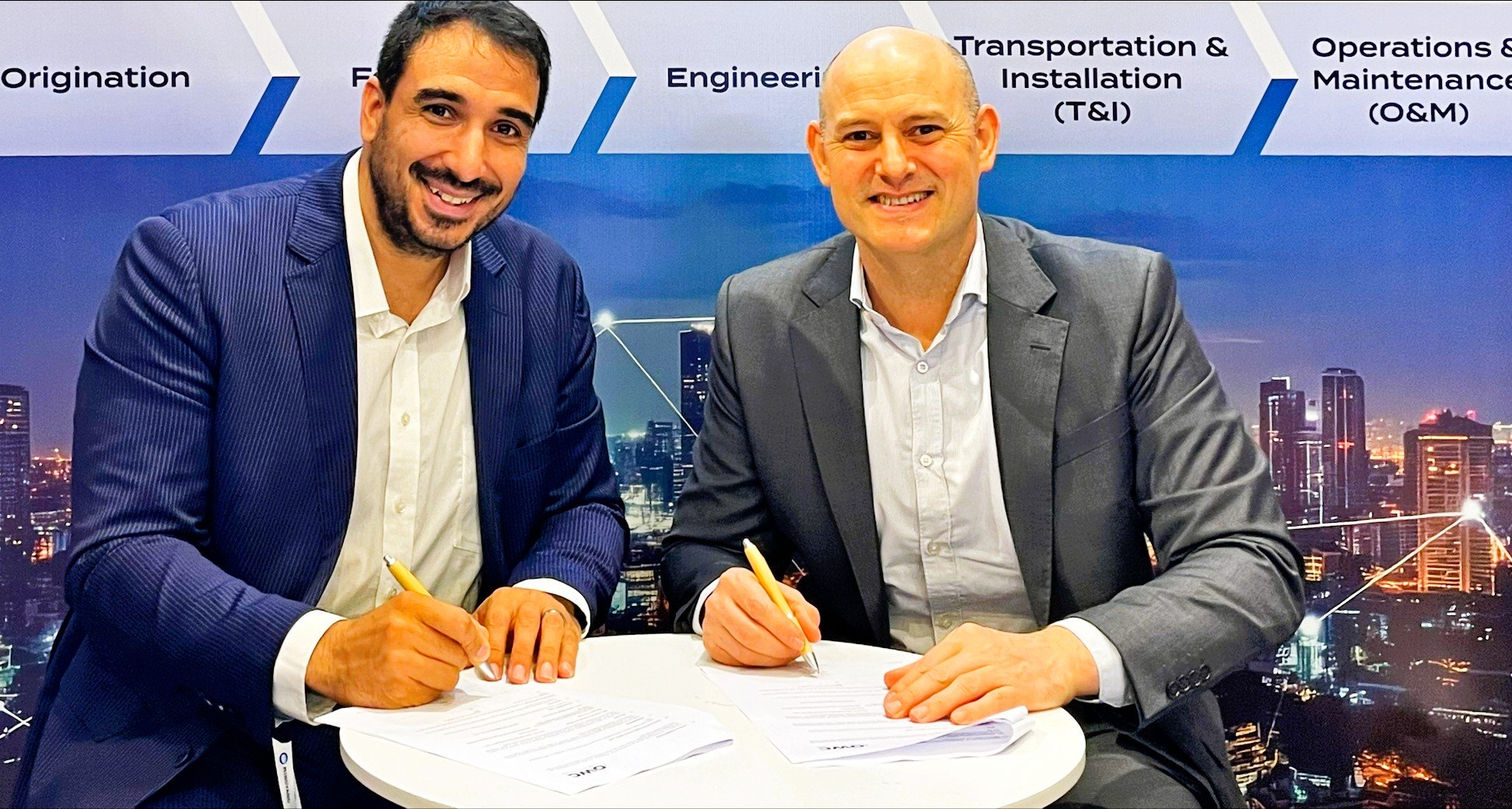
OWC signs Vietnam wind cooperation
Meet the Team: Dat Dang, Renewable Energy Engineer | OWC Vietnam