Meet the team: Nguyen Dinh | OWC Vietnam
At OWC, our teams are constantly expanding into more locations, in expertise, and in sectors of influence. Our people are at the heart of what we do, and we invite you to get to know our team members so you can meet the energy behind change.
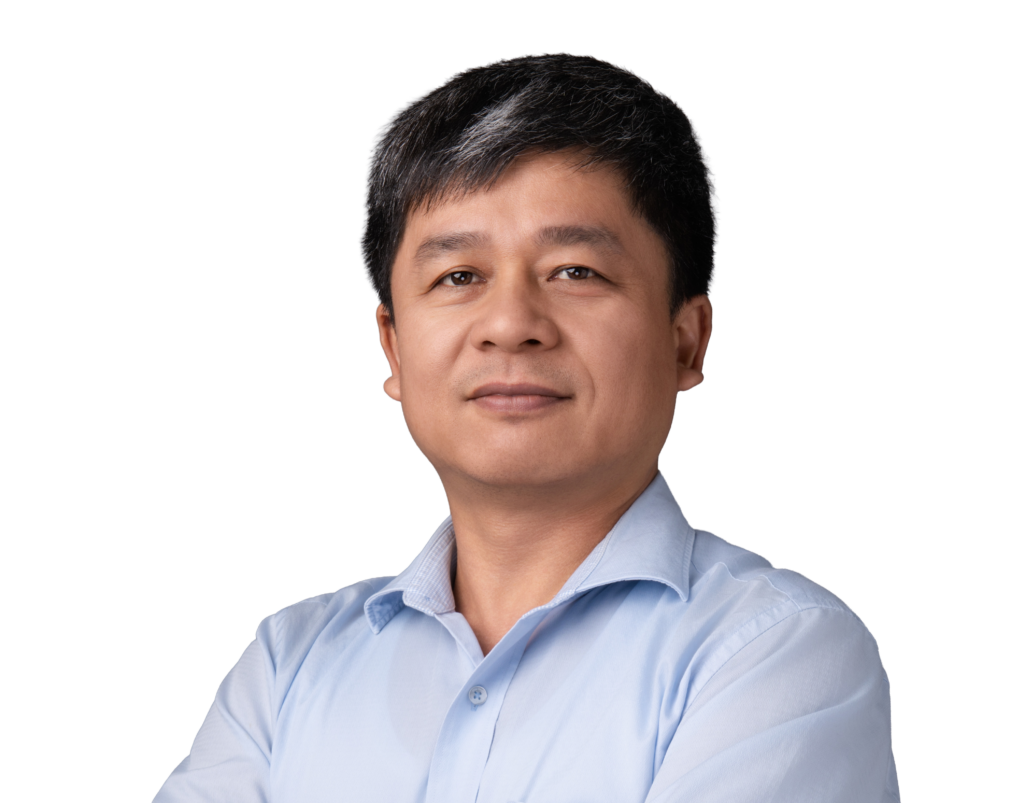
This week, we sat down with Nguyen Dinh, Principal Consultant and Head of Offshore Services at our OWC Vietnam office. Nguyen is one of our experts heading to the APAC Wind Energy Summit in Hanoi later this June. Read our latest blog, where we discuss wind energy, energy storage, and supporting Vietnamese renewable energy projects from auctions and bid advisory, through early-stage development and construction, and into long-term operations.
Title: Principal Consultant, Head of Offshore Services, Vietnam
Office: Ho Chi Minh City and Hanoi
Hobbies: hiking and travelling
Favourite movies: Movies with car-racing scenes have attracted me for several years, perhaps because I do not have those cars, yet (laughing)
Give us a glimpse into your day-to-day life at OWC Vietnam. What keeps you on your toes?
My every working day is exciting. I often start with early-morning coffee on the top floor of the office building. Speaking with the project team and Client’s representatives, virtually or in-person, particularly in APAC time-zone are my frequent activities. The afternoon is often spent with European connections. I keep part of my working day to focus on priorities and everything needing attention.
What drew you to the industry, and what keeps you passionate about it?
I have been fortunate to be drawn to the offshore wind industry by interesting projects over the last 15 years. Some of the first projects were offshore wind foundations when I was in the Netherlands.
I then worked in offshore wind turbine systems, dynamics and vibration control in Ireland and Europe. Integrated energy systems, routes to markets and policy attracted me when I was managing a large multi-disciplinary JV consortium working with over 8 government agencies developing the offshore wind blueprint for Ireland.
Since 2015, I have had various opportunities to support the offshore wind industry and governmental organisations in Vietnam in resource, capacity building, and business and technical advisory. OWC Vietnam’s growing team, clients’ trust, and policy movement are becoming increasingly attractive.
Can you tell us about something exciting you are working on right now?
My work, with support from my local and international colleagues, covers de-risking renewable energy projects, including offshore wind, subsea power cables and energy storage from the very early phases of development throughout construction and during operation. The project risks are complex and involve many disciplines. The earlier we understand the challenges and risks and take steps to mitigate them, the more successful and economical the wind project will be.
As Vietnam’s wind market matures, what will separate projects that reach construction from those that remain stuck in development?
As I mentioned earlier, in every project, from the very early stage throughout operation, there are risks, either clearly seen or hidden. The risks can not disappear but are often being accumulated or amplified in nature. The separation or difference would fall in how and when such risks are understood and mitigated.
Beyond the work, what makes you tick outside of the office?
Many things make me excited outside of the office: my extended family and my old and new friends throughout Vietnam, busy downtowns in HCMC and Ha Noi, quiet sunny weekend mornings.
How to advance the offshore wind projects in Vietnam?
Join Nguyen and OWC APAC team at APAC Wind Energy Summit 2026. At booth #5, we will share practical insights grounded in experience, having supported emerging wind markets through early feasibility and regulatory uncertainty, first projects, and onward to scaled delivery and long-term operations.
With deep technical expertise across the Asia-Pacific and Vietnamese market insight, OWC helps clients through critical decision points, balancing risk, cost, and performance.