Meet the Team: Radoslaw Lubiecki, Principal Consultant | OWC Japan
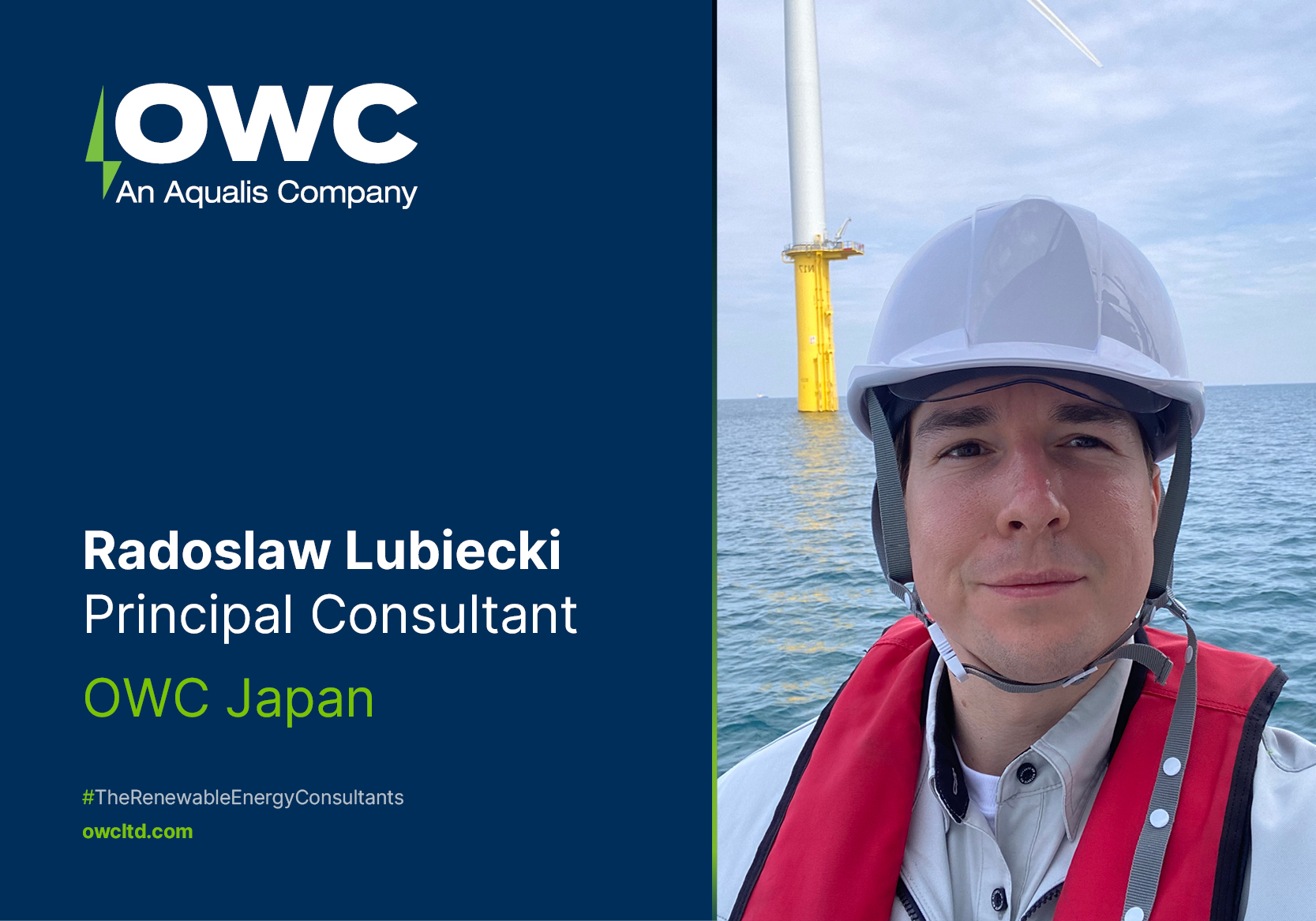
From a background in structural, geotechnical and civil engineering – to a career in offshore wind rooted in purpose – this week’s meet the team blog talks to Radoslaw Lubiecki.
Ahead of this month’s Global Offshore Wind Summit in Japan, Radoslaw shares with us why Japan’s energy transition holds promise for him and what the road ahead looks like in turning offshore wind ambition to delivery and operations.
- Name: Radoslaw Lubiecki
- Title: Principal Consultant
- Location: Tokyo, Japan
- Favorite book: Foundation by Isaac Asimov
What first drew you to the renewable energy sector, and what has kept you busy since?
My background is in structural, geotechnical and civil engineering, so renewable energy was a natural opportunity to apply that experience to a new generation of infrastructure.
What attracted me was the chance to use engineering to help address some of the bigger energy and environmental challenges we face. Offshore wind made that particularly interesting because it brings together so many disciplines and takes engineering into some very demanding natural environments.
Over time, my work has expanded from structures and foundations into offshore and onshore civil engineering, ground engineering and increasingly subsea cables. I like that there is always a new technical problem to understand and solve.
What attracted you to a career at OWC in Japan?
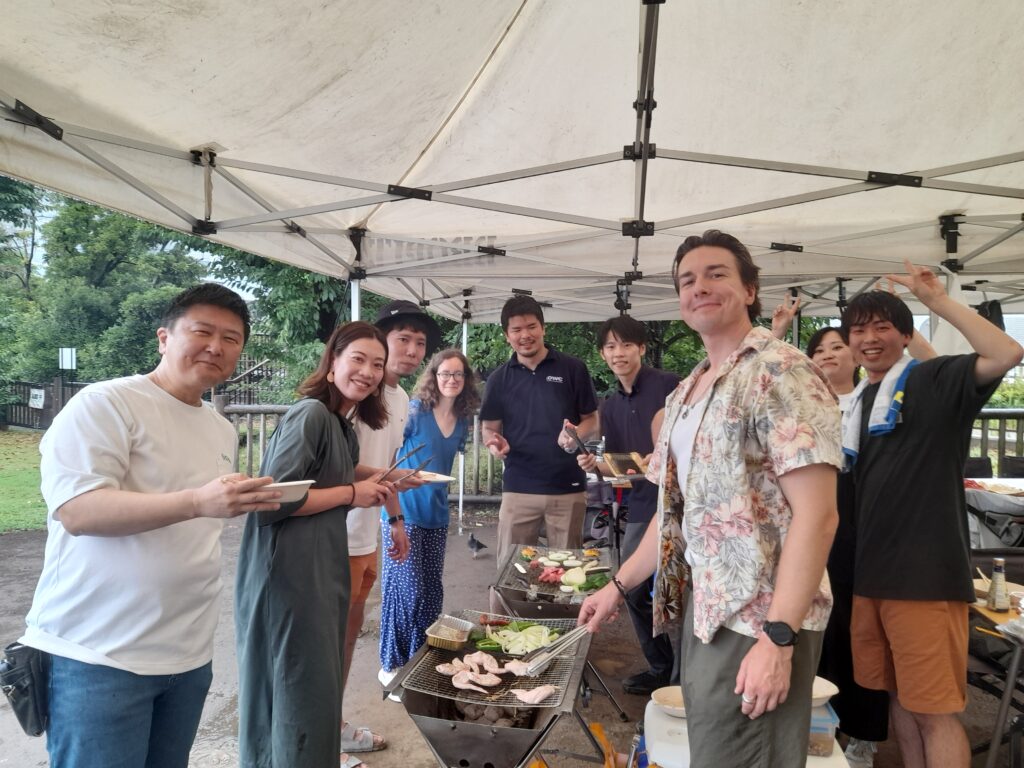
Japan initially attracted me because of its combination of challenging natural conditions, earthquakes and major infrastructure development. For an engineer working with structures, foundations and ground conditions, it is a fascinating place to build a career.
Earlier in my career, I worked on bridges and other infrastructure on land. When offshore wind started to develop in Japan, I jumped at the opportunity to move into the sector. It felt like a natural progression, taking much of the engineering experience I already had and applying it to new challenges offshore, while still working across the important interfaces between offshore and onshore infrastructure.
That is also what I value about OWC. We combine local experience with global expertise, bringing lessons and specialist knowledge from projects around the world and applying them to the particular challenges we face in Japan.
Tell us a bit about your day-to-day. What keeps you on your toes?
There really isn’t a typical week for me, and I like that variety.
I might start the week working from a client’s office, spend the middle of it carrying out a desktop study or working through a technical problem with colleagues in Japan or overseas, then finish with a site visit or supporting activities on site.
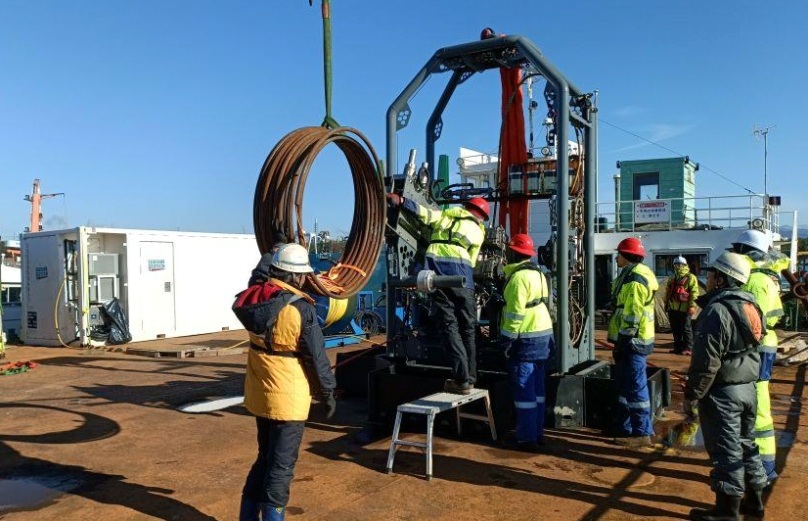
Much of my current work involves subsea cables, ground conditions and Owner’s Engineering, but these rarely sit neatly within one discipline. It often means connecting what we learn from surveys and site conditions with the design, construction methodology and wider project requirements. That mix of technical work, client interaction and time on site is what makes the job interesting for me.
Aiming for 10 GW of offshore wind capacity by 2030, and 30-45 GW by 2040, what do you see as some of the critical barriers at the moment for the industry to overcome?
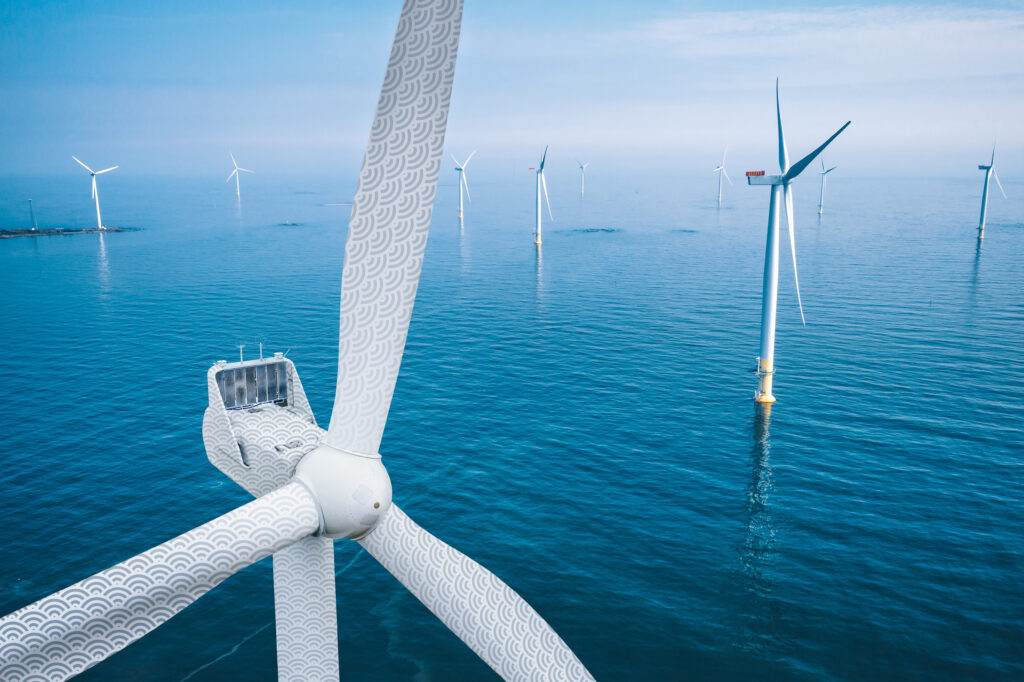
There are certainly challenges. Offshore wind globally has been dealing with increasing costs, pressure on the supply chain and competition for specialist resources, and Japan is not isolated from these issues. Projects here also need to address demanding natural conditions, including earthquakes, typhoons and complex ground and seabed conditions.
One of the key challenges is establishing a project pipeline and supply chain that can deliver at scale while remaining commercially viable. This requires equipment, engineering capability, ports, vessels and construction resources, as well as solutions adapted to the particular conditions we encounter in Japan.
Despite these challenges, I remain positive.
Japan has a strong history of responding to difficult engineering and infrastructure problems, and we are already seeing the market adapt. Combining that local engineering capability and resilience with experience from offshore wind projects globally can help us develop solutions that work for Japan and move the industry forward.
How can effective survey planning and management help offshore wind projects reduce risk from the outset?
A good survey should start with the engineering decisions that the project needs to make. The objective is not simply to collect as much data as possible, but to obtain the right information, at the right quality and at the right time.
This is particularly important in Japan, where ground and seabed conditions can be complex. It is also important to actively review the information while it is being collected. If a quality issue or important data gap is identified while the survey is still underway, the methodology can potentially be adjusted or additional information collected. Discovering the same issue after the vessel has left site can make resolving it much more difficult and expensive.
The real value is in identifying and reducing the uncertainties that matter early, while the project still has flexibility in its engineering and construction decisions.
How can developers turn survey data into better engineering decisions for subsea cables and offshore infrastructure?
Completing the survey is really only the beginning. The information then needs to be interpreted to understand the ground conditions and, importantly, what they mean for the design and construction of the project.
For subsea cables, ground conditions can influence route selection, burial depth, installation methodology, cable protection and landfall design. Similar considerations apply to other offshore infrastructure, including foundations and anchors for floating wind. If an important uncertainty remains unresolved, it does not disappear. It moves further into the project, where the available options may be more limited and the solution more conservative or expensive.
This connection between survey, geotechnical understanding and engineering is where I see real value. Good information gives us more options and allows better decisions to be made before those options start to narrow.
Outside of the office, what keeps you excited about life?
Cooking has been a lifelong hobby of mine. I’m originally from Poland, but I’ve spent more than a decade living in Asia, first in Bangkok and now in Tokyo. That has definitely influenced the way I cook, and I enjoy mixing European and Asian cuisines and experimenting with different flavours. I particularly enjoy having friends and family over and cooking for them.
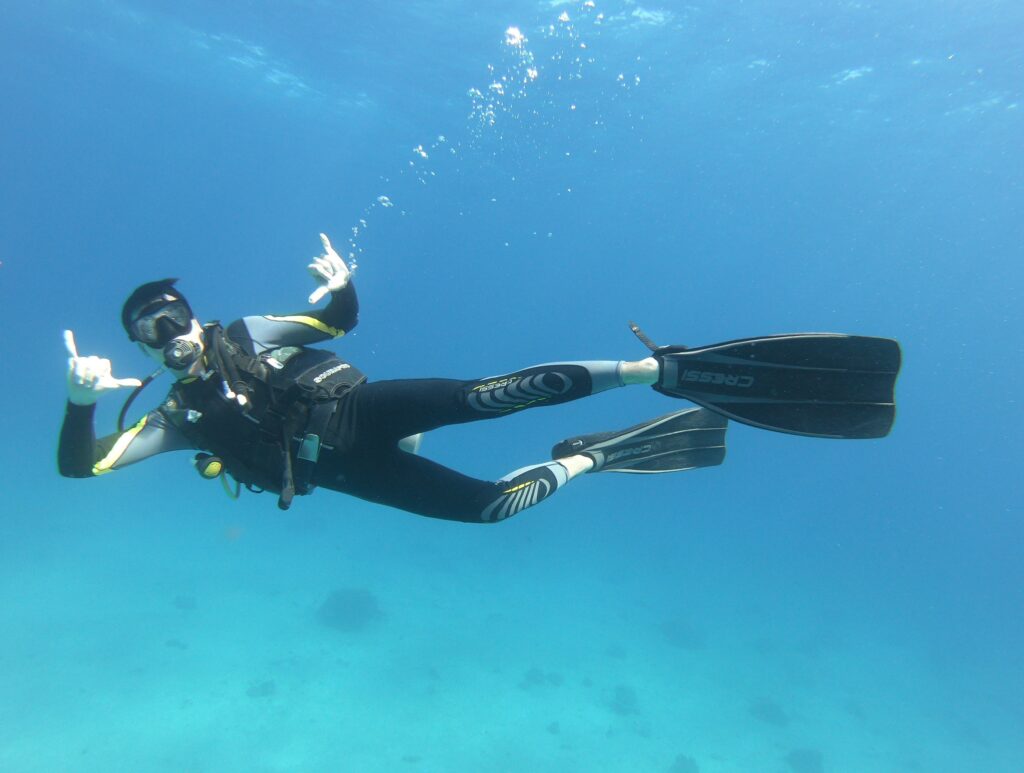
I’m also passionate about scuba diving. I started diving while living in Bangkok and continued during my travels around Asia. There’s something special about being underwater, surrounded by the calm and silence of the ocean, with that constant sense of exploration.
I also enjoy being part of my local community in Tokyo. I’m fortunate to live in a great neighborhood, and I like helping to organize small events, taking part in local temple festivals and contributing in small ways to making the community an even better place to live.
Are you developing an offshore wind, transmission or wider renewable energy project in Japan and looking to reduce technical risk early?
Whether you’re preparing a bid, securing investment or progressing into development, OWC’s Japan team can help you understand the technical challenges, reduce uncertainty and move forward with confidence. Meet Radoslaw and the wider team including OWC Japan’s Country Manager, Masataka Nakagawa, at this month’s Global Offshore Wind Summit in Japan.