Meet the Team: Oscar Ward | OWC Environment & Consents
At OWC, our teams are constantly expanding into more locations, in expertise, and in sectors of influence. Our people are at the heart of what we do, and we invite you to get to know our team members so you can meet the energy behind change.
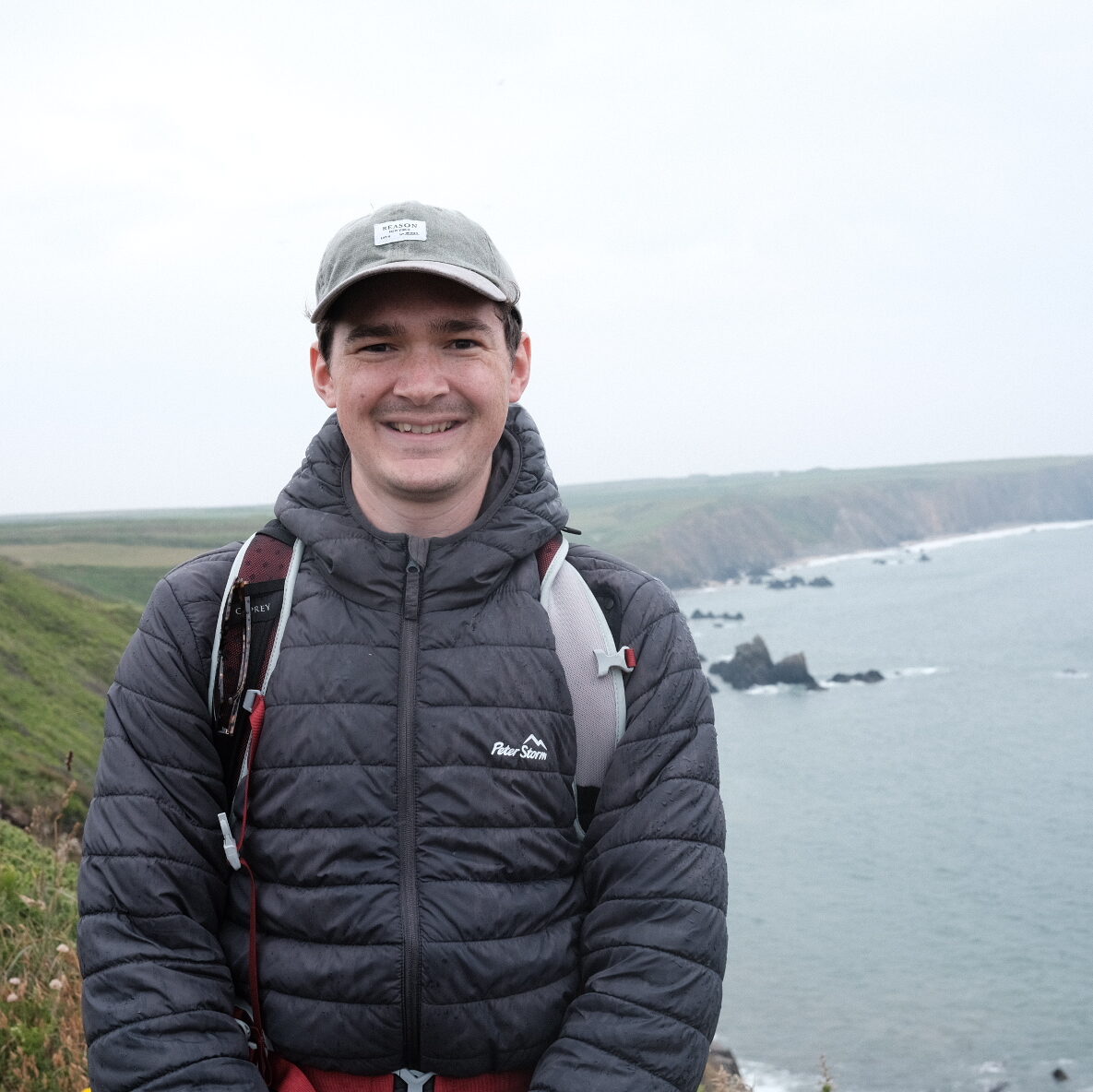
This week, we unpack UK environmental and consenting requirements for cabling and transmission projects, the impacts of electromagnetic fields and why developers need to understand them, and what offshore wind developers should look out for with the UK Marine Recovery Fund – with Oscar Ward – Snr. Consultant in OWC’s UK environment and consents team.
- Position: Snr. Consultant – Environment and Consents
- Office: London, UK
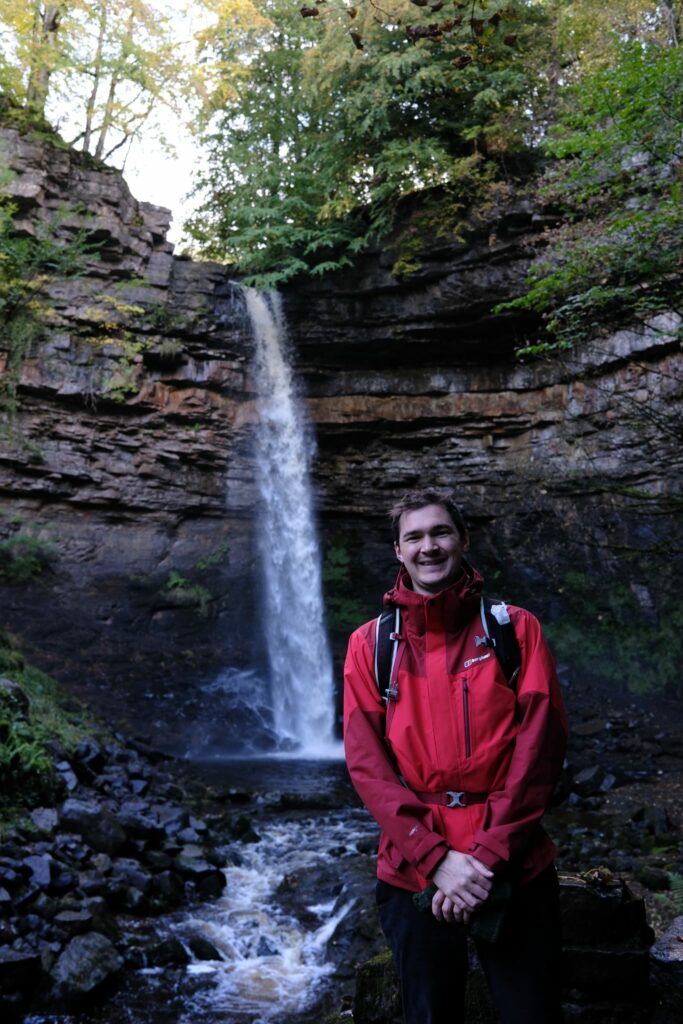
- Hobbies: Hiking, photography and cooking
Give us a glimpse into your day-to-day life at OWC. What keeps you on your toes?
The Environment and Consents team is an incredibly dynamic team to work within.
With exposure to a wide spectrum of industries across a range of geographies, there are always new challenges to tackle with each project. Working to apply an understanding of the marine environment developed in the UK across regions where species and habitats can be so different requires me to constantly be developing and growing my skills. This can become even more complicated when considering all of the different approaches to environmental protection that we see across our projects!
I have enjoyed working with such a diverse range of specialists since joining OWC. The insight gained from spending time with the electrical and engineering teams provides a massive benefit, ensuring that all elements of an issue are considered early on, and that the final approach is effective and efficient.
Having that exposure to the full project timeline also allows for great foresight on potential environment and consents issues well in advance.
What drew you to the industry and what keeps you passionate about it?
I’ve always spent time in and around the ocean, and went on to study marine biology at Bangor University where I gained a great appreciation for the marine environment we have in the UK. Balancing ecosystem service value with offshore developments is a topic that is ever relevant in today’s world as our oceans become increasingly busy. The value provided by major offshore infrastructure projects must be considered alongside the value already provided by the marine environment.
Working alongside engineers, developers, and regulators to identify a middle ground that benefits all parties whilst minimising impacts on the existing environment can be challenging, but is always rewarding.
As new technologies are developed, fresh issues are always pushed to the foreground. However, being able to identify and address these problems allows each new technology to provide greater value at a reduced environmental cost. I am always excited to see breakthroughs in the space, and then work to ensure they are implemented effectively with as small a footprint as possible.
Can you tell us about something exciting you are working on right now?
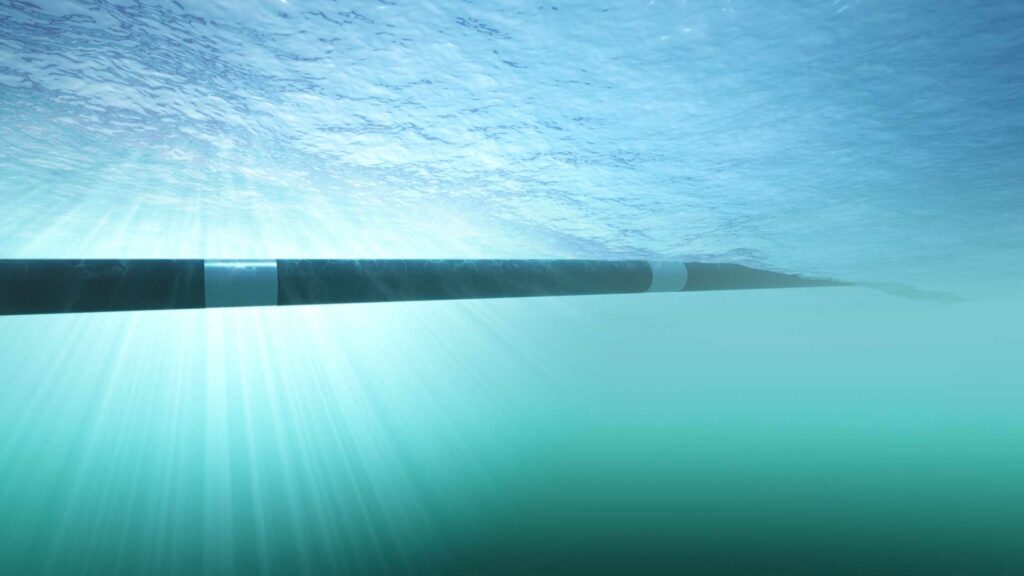
We are currently working with a UK transmission owner to advise on a marine license application allowing for future cable repairs within a sensitive habitat. Without the ability to undertake repairs, a cable failure could lead to the inability to export renewably generated power, invalidating the benefits of this technology. Works in sensitive habitats like this are complicated by the vulnerability of the environment, potentially hampering the ecological value that they provide.
It is therefore essential that we build trusted relations with both the asset owner as well as the regulator and other stakeholders. These parties are often at odds with one another when it comes to their respective priorities, so it is key that we find a rational middle ground that balances the interests of all those involved.
With a record capacity awarded through AR7 and high hopes for AR8 and 9 – how can developers tackle early on permitting, social and environmental criteria?
One of the big changes developers will need to adjust to is the introduction of the UK Marine Recovery Fund (MRF), which provides regulators with a simplified approach to request strategic environmental compensation.
With this change developers are likely to see a more streamlined consenting process, with financial contributions to offset environmental impacts associated with proposed developments now a more viable route to compensation. As the MRF is largely untested, engagement with regulators will be more important than ever.
This should start as early on in the development process as possible to ensure expectations by all parties are understood. Developers may consider integrating nature inclusive design approaches from the engineering stage, minimising the environmental impact of any development as far as possible and therefore minimising the potential for significant compensation.
What marine environmental risks still catch offshore wind developers out during consenting – despite better data and tools?
The potential impacts associated with electromagnetic fields (EMF) have come under increasing scrutiny from regulators in recent years. It is likely that this scrutiny will continue to increase as floating technologies enter the market due to the increased volume of cables within the water column.
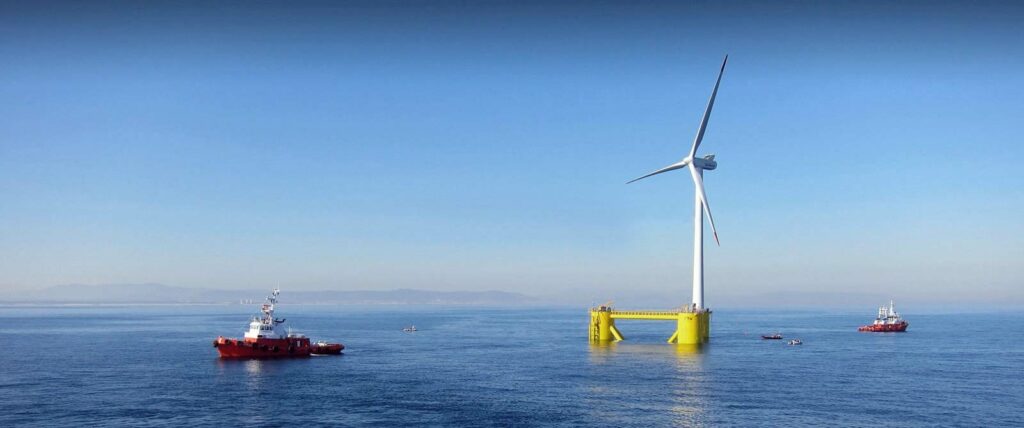
High quality modelling of EMF is regularly undertaken by electrical engineers, but is rarely utilised for environmental assessment. OWC is well placed to undertake EMF modelling for use in the assessment of impacts associated with marine species and habitats.
Beyond the work, what makes you tick outside of the office?
I spend a lot of time getting outside and hiking with my partner and our dog. I also enjoy landscape photography, so I try to bring a camera out whenever I can!
Ensuring UK and Irish renewable energy project compliance with environment and community
Ensuring early compliance with environmental and regulatory consenting requirements is critical to managing risk and cost across project development—whether for interconnectors or offshore wind—and to safeguarding long-term bankability.
Our UK-based team provides a comprehensive advisory service, combining deep environmental expertise with operational and engineering insight to help developers navigate consenting efficiently and with confidence.
Get in touch to find out how our Environment and Consents team can support your project from early development through delivery.