Meet the Team: Rachel Crabtree
At OWC, our teams are constantly expanding into more locations, in expertise, and in sectors of influence. Our people are at the heart of what we do, and we invite you to get to know our team members so you can meet the energy behind change.
This week, we find out what took Rachel Crabtree from a background in marine biology to a career in environment and consenting to support offshore wind development, floating solar PV and other offshore energy projects.
Read our latest blog where we talk environmental impact assessments (EIAs), energy transition, and emerging challenges in environment and consenting around the world.
Position: Principle Marine Consultant – Environment and Consents
Office: London, UK
Give us a glimpse into your day-to-day life at OWC – what keeps you on your toes?
Life within the Environment and Consents team at OWC is very varied, largely because of the wide range of sectors, geographies, and project stages we work across. The work shifts constantly, which keeps things engaging and ensures I’m always learning.
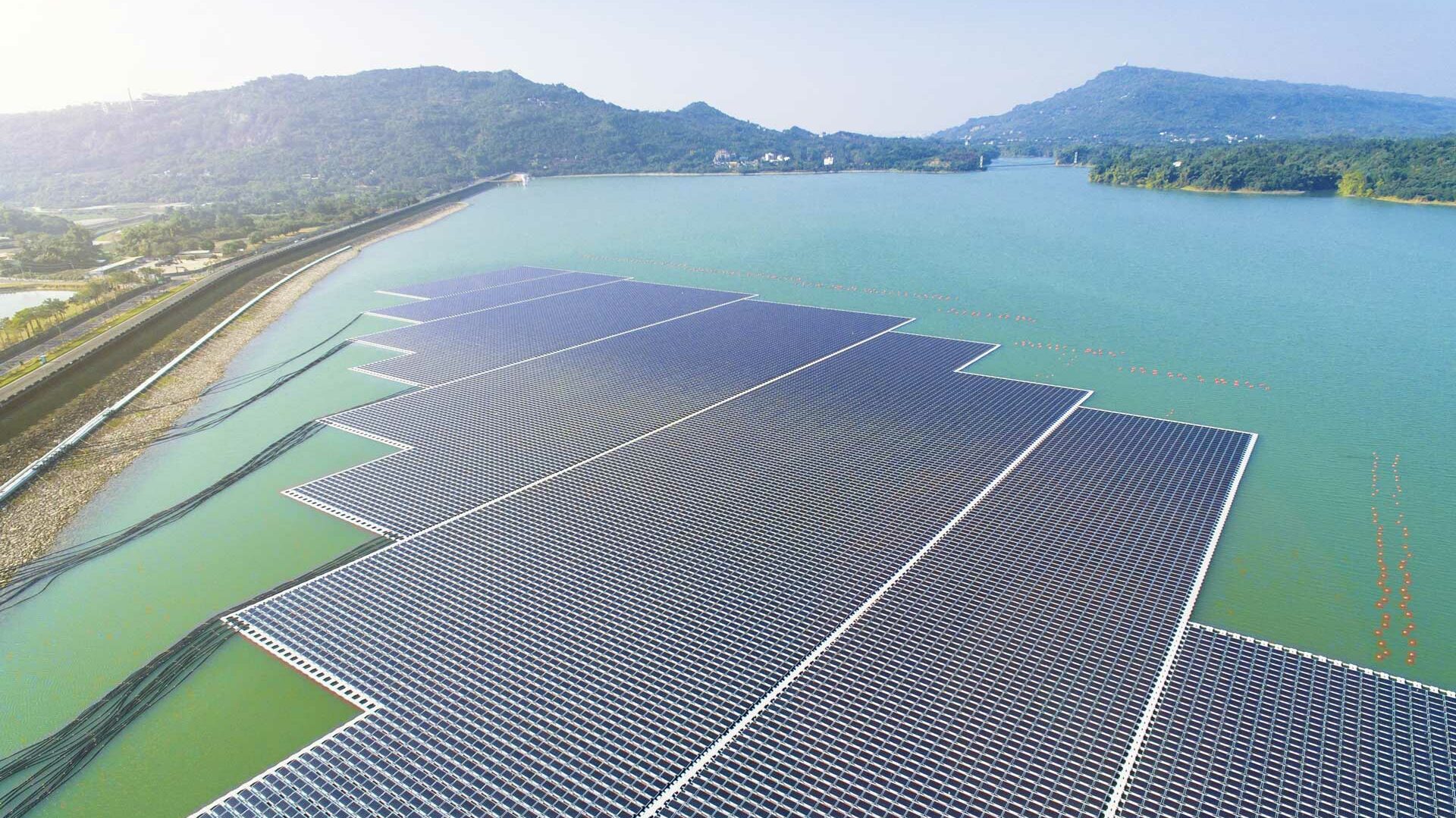
One day I might be preparing a marine licence application for a UK offshore wind farm and navigating local regulatory requirements; the next, I may find myself reviewing environmental impacts for a floating photovoltaic (FPV) project in India.
The global nature of our work is something I truly value. It allows me to continually expand my understanding of marine habitats, ecosystems, and species around the world, while also deepening my appreciation for the different consenting regimes, cultural contexts, and stakeholder priorities that shape each project.
I also really enjoy how closely we work across service lines. Collaborating with the engineering teams, for example, often leads to creative problem‑solving and a much richer understanding of how environmental considerations feed into technical design and project feasibility.
Recently, I’ve been undertaking Equator Principles reviews for several renewable energy projects. It’s always fascinating to explore topics such as supply chain risks, labour and human rights considerations, and broader project commitments. Looking at projects through this lens has broadened my perspective and strengthened my ability to support clients in delivering developments that are not only environmentally responsible but also socially sustainable.
What drew you to the industry and what keeps you passionate about it?
Both my undergraduate and master’s degrees are in marine biology. I’ve always been driven by a love for the natural world and a desire to protect it, so working at the intersection of marine ecology and renewable energy feels like an opportunity to contribute to the global energy transition.
I’ve always found the offshore wind sector especially interesting as it combines large‑scale engineering, complex environmental systems, and long‑term sustainability challenges. Being able to work closely with clients throughout every phase of a project’s lifecycle has allowed me to continuously learn, grow, and push my skills in new directions.
I’m particularly interested in how quickly the renewables sector is developing, with new technologies and approaches emerging as the industry evolves. The growth of floating PV and other innovative offshore solutions has been especially engaging, and I’ve enjoyed applying what I’ve learned from offshore wind to floating PV projects.
Ultimately, what motivates me most is the sense of purpose: knowing that the work we do directly supports cleaner energy generation, healthier marine environments, and a more sustainable future.
What are the emerging challenges in environment and consents as we see the energy transition progress?
One of the biggest challenges is the sheer increase in the volume and complexity of consent applications. As projects scale up, environmental impact assessments (EIAs) are becoming far more detailed and data‑heavy. This means regulators are facing greater pressure on their time and resources, which in turn extends determination periods. It creates a real need for meaningful, earlier stakeholder engagement and well‑structured submissions to help keep the process moving efficiently.
From EIAs to consenting, what do the best developers do differently when it comes to understanding the seabed and local ecology before they build?
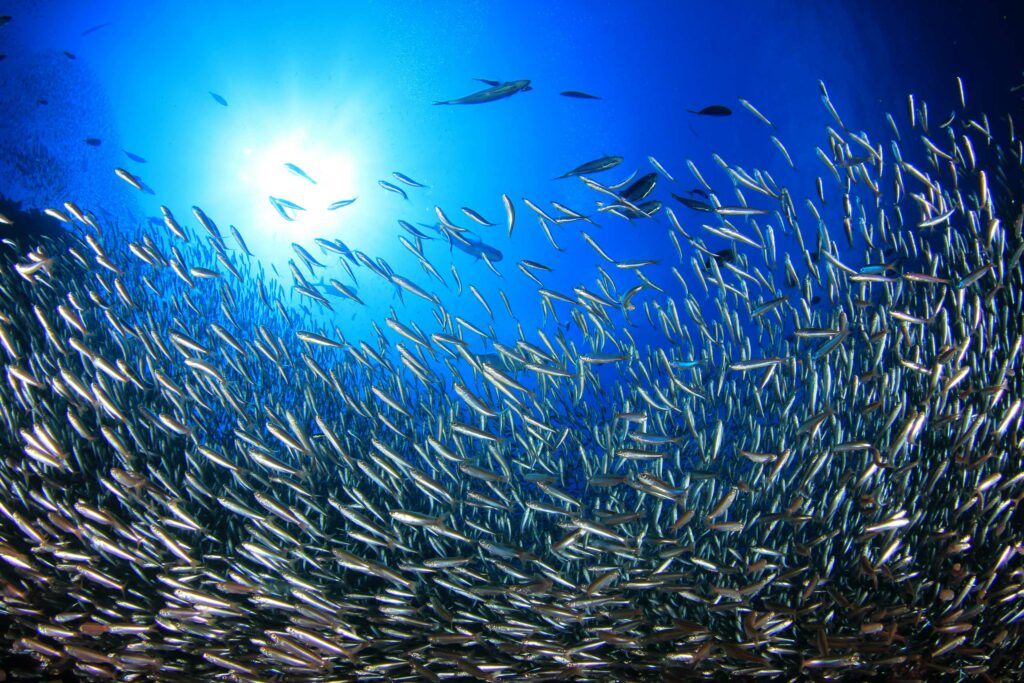
From my experience, the developers who do this best bring their environmental and engineering teams together very early in the process. This early interface means the key people are talking about what’s in the area, including sensitive habitats and species, before design decisions are frozen.
Taking this approach helps avoid impacts where possible, reduce effects where avoidance isn’t feasible, and de‑risk issues that could otherwise emerge later during EIA or consenting. It’s proactive, collaborative, and pays off in smoother, more predictable project delivery.
Beyond the work, what makes you tick outside of the office?
Outside of work, you’ll usually find me outdoors either walking with my dog or working in the garden. I love growing my own fruit and veg, and I’m always trying to make the garden as pollinator friendly as possible. I also volunteer at my local nature reserve when I can, which is a lovely way to stay connected with the local environment.
A couple of times a week I swap the muddy boots for cowgirl ones and head to line dancing classes. And when I finally sit still, I’m almost always reading. I love chatting about books, so feel free to send over any recommendations!
EIAs and Proactive Environment & Consent Support: Pave the way to offshore wind delivery
Find out more about OWC’s comprehensive offering in environment and consents including our full-service offering in EIAs, to support your offshore wind plans – whether at initial construction or life extension: