India’s Offshore Wind Market
Setbacks, Policy Shifts and Why 2026 Could Be a Turning Point
As India Energy Week approaches, OWC’s Growth Director and global offshore wind specialist, Dr. David Wotherspoon, reflects on India’s offshore wind journey so far — and why 2026 could represent a decisive reset moment for developers.
India’s renewable energy strategy continues to be ambitious and multi-faceted, with the aim to transform its energy mix, meet climate commitments and position the country as a leading driver of the global energy transition.
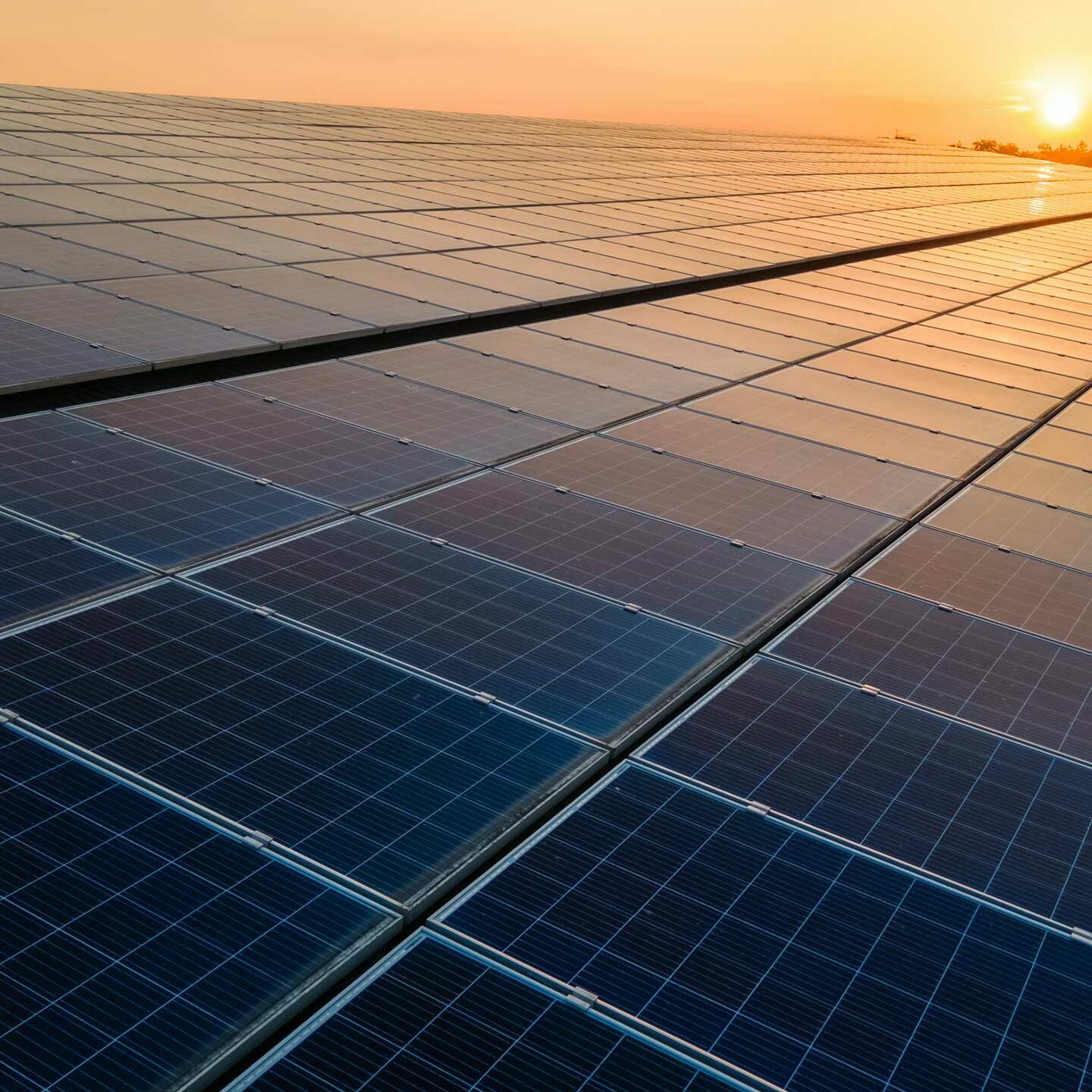
It is already a globally significant market for renewable energy, aiming to have a huge 500 GW of Non-Fossil Fuel Capacity by 2030 from solar, wind, hydro, and nuclear. Furthermore, particularly driven by its rapid solar PV development, India is already halfway to achieving this target with an installed capacity of approximately 250GW.
Having said all that – where does offshore wind fit within India’s clean energy ambitions?
The answer is complex, but evolving.
Offshore Wind in India: A Promising Sector Facing Initial Headwinds?
India’s offshore wind sector remains embryonic, but policy structure and government focus have been steadily maturing. However, early momentum faltered when India cancelled its first Tamil Nadu and Gujarat offshore wind tenders in August 2025 due to low developer interest, despite extended bid deadlines and revised support mechanisms.
These cancellations affected 4.5 GW of planned capacity, including 500 MW in Gujarat supported by Viability Gap Funding (VGF) and 4,000 MW of seabed lease areas off Tamil Nadu.

Developers cited high costs, insufficient financial support, and underdeveloped local infrastructure as primary concerns.
Yet this was not a strategic retreat. Government ambitions remain, with auction targets of 30–37 GW by 2030 continuing to guide long‑term planning.
A Reset in 2026? Policy Refinement and Market Realism
If 2025 was about lessons learned, 2026 could be the year India resets and re‑energises its offshore wind strategy. Multiple signals point toward updated tender designs and revised financial support models:
- The Solar Energy Corporation of India Ltd. (SECI) may re‑release revised tenders with adapted commercial frameworks after acknowledging limited developer appetite in the first rounds.
- The Ministry has already earmarked significant Viability Gap Funding (VGF) – roughly ₹74.5 billion for 1 GW – though developers argue the level must increase or be supplemented by alternative revenue structures.
- India’s Wind Energy Roadmap and Manufacturing Roadmap (released in 2025) outline the policy intent to accelerate offshore wind investment and local supply chain development.
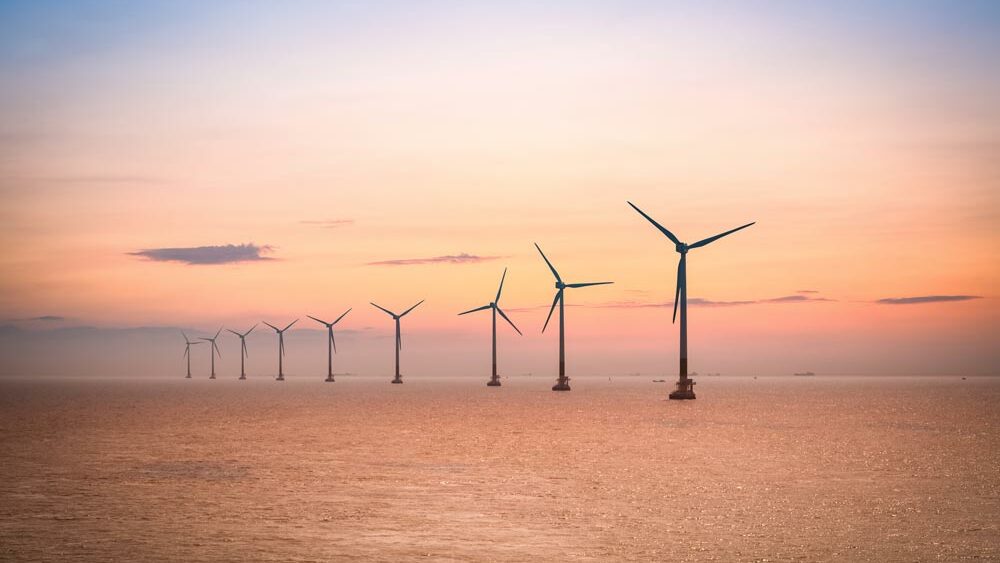
Globally, the offshore wind sector is stabilising after years of cost inflation, and India can benefit from lessons learned elsewhere. The UK’s recent AR7 auction, for example, demonstrated how aligning policy support with real project economics can unlock renewed developer confidence.
What India Must Address to Attract Serious Developer Commitment
International developers are still watching India closely. To convert interest into investment, three fundamentals need to improve:
Economic Viability and Bankability
Offshore wind remains costlier than onshore wind and solar in India. With financial risk cited as a key deterrent, developers will look for:
- Strengthened VGF terms
- Transparent revenue frameworks
- Clearer long-term tariff signals
- Potential movement toward a Contract for Difference (CfD)‑type model
Without these, early projects risk remaining commercially challenging.
Regulatory and Planning Clarity
Developers need certainty on:
- Seabed leasing and permit sequencing
- Offtake structures
- Risk allocation
- Long-term capacity pipelines for supply chain investment
- Reliable timelines for decision making
Several of these issues contributed to low tender participation in 2024–2025.
Infrastructure and Supply Chain Readiness
Studies indicate strong wind conditions off Tamil Nadu and parts of Gujarat, but highlight gaps in enabling infrastructure:
- Port upgrades
- Heavy‑lift and installation vessel availability
- Turbine and cable manufacturing
- Storage and logistics facilities
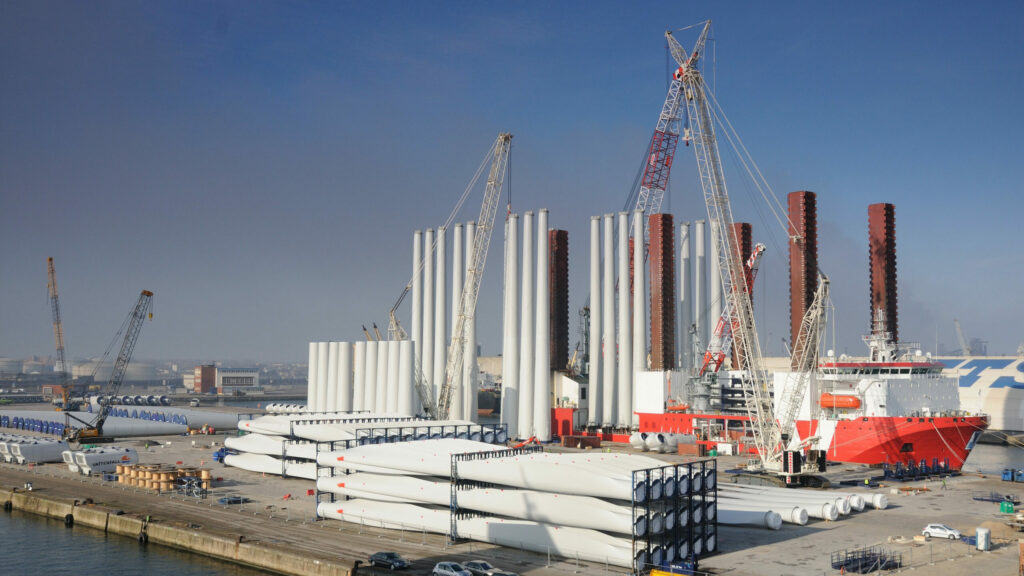
These deficiencies were a major reason developers hesitated.
Early projects may require hybrid sourcing solutions before a “Made in India” model can scale.
Conclusion: A Slow Start, But Momentum Is Still Within Reach
The cancellation of initial tenders was a setback, but also an important reality check. India’s policymakers appear to recognise the need for stronger commercial frameworks, clearer processes, and accelerated infrastructure development.
If these elements come together in 2026, India is well‑positioned to unlock one of the world’s largest emerging offshore wind markets.
Planning With Pragmatism: How OWC and ABL Can Support
OWC brings deep global expertise across the offshore wind lifecycle – from site development and LCOE modelling to T&I engineering and O&M optimisation. This global expertise blended with the in-country marine and engineering capabilities of sister company ABL, operating in India since 2007 – positions us well to support Indian stakeholders and international developers in entering and engaging with the offshore wind market.
If you’re exploring India’s offshore wind opportunities, we can help you navigate the realities and plan with confidence.
Meet us at Indian Energy Week:
Capt. Sandeep Sharma
Country Manager, ABL India
Or Contact David for more Insights:

Dr David Wotherspoon
Growth Director, OWC