AR7: Momentum Restored – Delivery is the Real Test
What the UK Offshore Wind Auction means for Power Prices, Supply Chain Readiness and the Future of Floating Wind
An insight by Amy Dowdeswell – OWC UK Country Manager.
The UK’s Allocation Round 7 (AR7) has delivered a much-needed reset for UK offshore wind, restoring momentum after a turbulent period for developers, investors and the offshore wind supply chain.
With AR7 results awarding a record 8.4 GW across fixed‑bottom and floating offshore wind, the round signals renewed confidence – but it also shifts the challenge firmly from auction success to delivery reality.
What AR7 Delivered
AR7 awarded 8.4 GW of offshore wind capacity, representing approximately £22bn of investment into the UK market. The vast majority – 8.25 GW – sits in fixed-bottom offshore wind (Pot 3), with 192.5 MW of floating offshore wind (Pot 4).
The round was dominated by a small number of very large projects, with RWE securing around 6.9 GW, reinforcing its position as the UK’s dominant player.
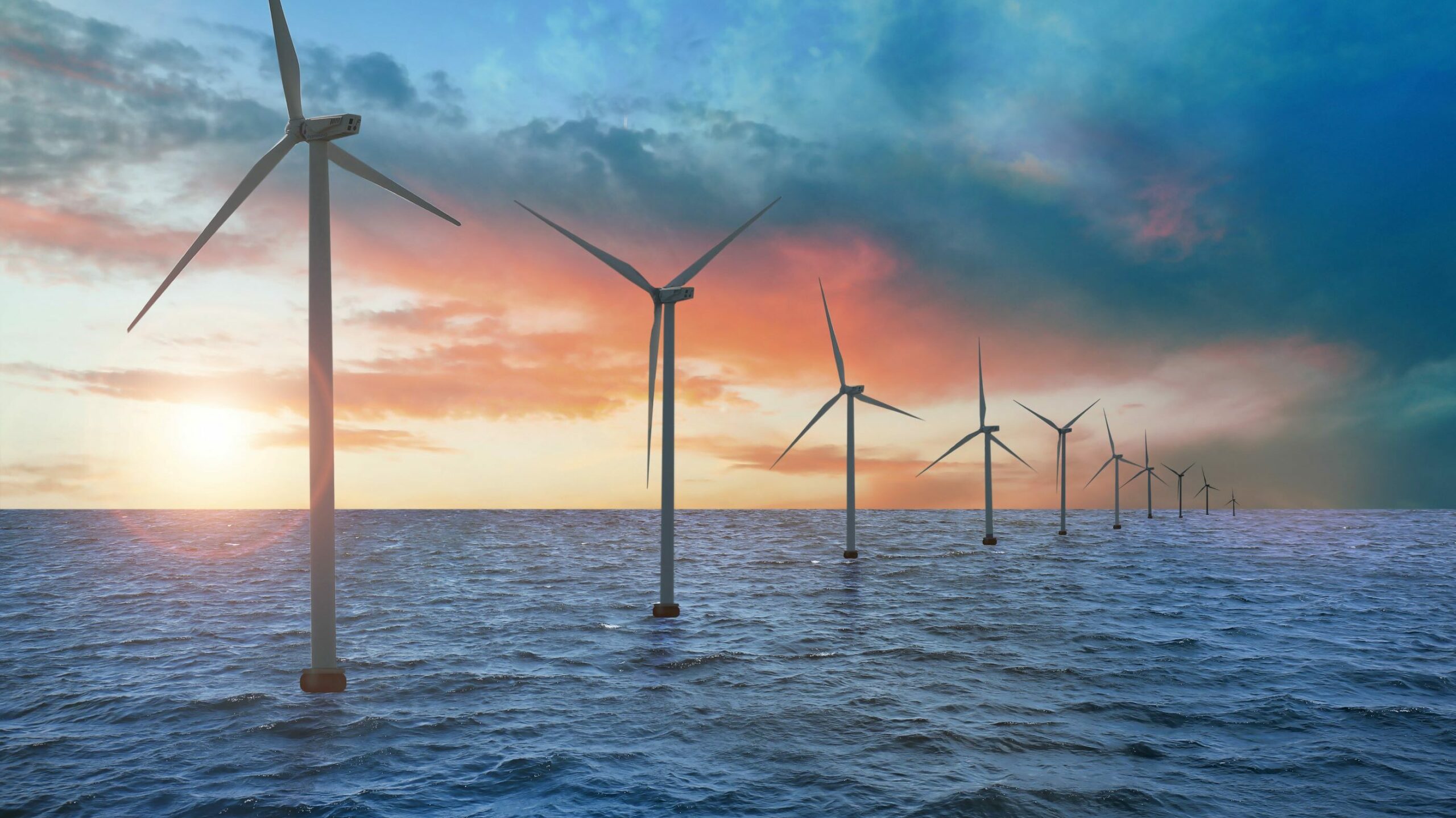
However, delivery years are heavily clustered between 2028/29 and 2030/31 – a feature that will define the next phase of the market.
The Price Signal: Realism, not Retreat
The Pot 3 clearing strike price of £91.20/MWh (2024) marks a clear break from the pre-2022 “race to the bottom”. This is not a failure of policy – it is a recalibration to reflect inflation, supply-chain constraints and financing reality.
Floating offshore wind (FLOW) remains high-cost and low-volume, but these projects play a pivotal role in advancing this technology. FLOW was never meant to be at “scale” in AR7. The Government designed this for stepping stones, test/demo/early commercial learnings. Getting one in Scotland and one in the Celtic Sea is strategically helpful: it avoids the “everything is Celtic Sea” story and supports a more geographically balanced capability build.
The award of Erebus additionally paves the way for offshore wind in the Celtic Sea, and, following Round 5 last year, supports the development of a strong Welsh and South-West England supply chain, which is critical to unlocking future scale.
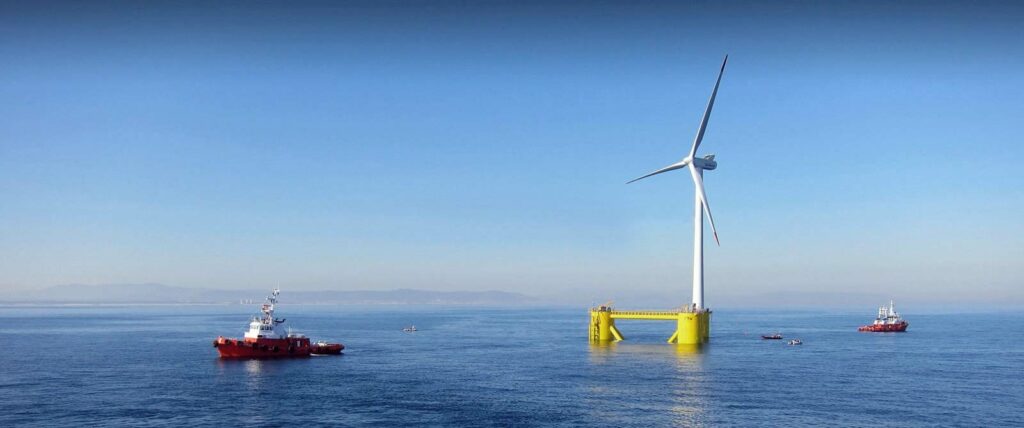
Pentland’s award reinforces the importance of FLOW to Scotland’s nascent supply chain, vital for the industrialisation benefit being sought; the question we pose however: are 2 projects totalling ~ 200MW sufficient to seed that floating supply chain?
Is AR7 a Success?
Yes — with caveats.
For the UK, AR7 restores momentum and sends a strong signal of commitment to energy security and the offshore wind industry. The increased Pot 3 budget — rising to £1.8bn — underlines that intent.
But this is not a victory lap. Capacity is concentrated in a handful of mega-projects and narrow delivery windows. If even one or two projects slip, the wider narrative — and confidence in delivery against Clean Power 2030 (CP2030) targets — comes under pressure.
In Scotland, the picture is mixed but positive overall. Berwick Bank Phase B (1.38 GW) is a material fixed-bottom win, while floating volumes remain modest. The “Scotland as the floating engine room” story is not proven by AR7 alone, but it remains alive following Green Volt and Pentland looking ahead to AR8 and 9 with hope.
Round 3 Extension
One notable feature of AR7 was the absence of Round 3 extension projects among the successful bidders. Despite their maturity and potential delivery advantages, extensions may have struggled to compete against fully optimised mega-projects, particularly where interface complexity, delivery risk or reworked cost assumptions diluted their value under tightly clustered COD windows, combined with developers with large pipelines leaning in hard.
Fewer extensions now could mean a more “staged” pipeline into AR8, which might smooth the supply chain curve; this is an important point sometimes ignored, UK policy keeps saying it wants supply chain investment, but then procures in a way that creates feast or famine cycles.
The Political and Cost Exposure
We are entering a period where energy and net zero issues are being weaponised.
Whilst AR7’s strike prices may sit above today’s unusually low wholesale power levels, the influx of low‑marginal‑cost offshore wind will put sustained downward pressure on future electricity prices and shield consumers from volatile gas markets. By replacing costly new gas‑fired generation, these projects not only strengthen energy security but also reduce long‑term system costs while accelerating decarbonisation.
What Happens Next – and why Delivery Matters
The real challenge now is execution. Over the next 12–24 months, successful projects must convert contracts into assets:
- Locking in supply chains amid intense competition for turbines, vessels, cables and ports
- Aligning grid and onshore infrastructure to offshore build schedules
- Reaching FID with bankable, realistic delivery plans
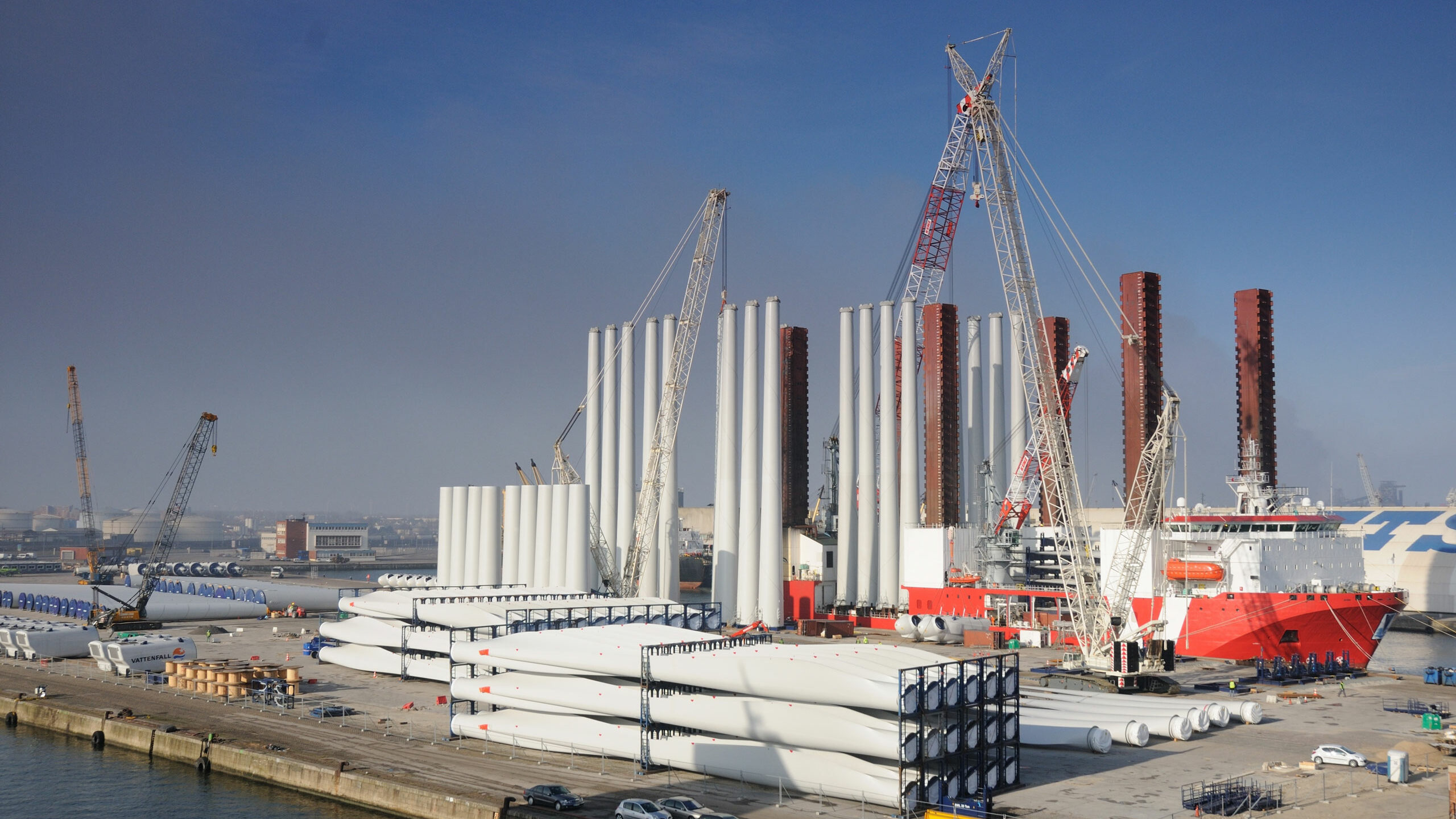
This is where AR7 will either “stick”; or unravel. The winners will be those who treat delivery planning as a competitive advantage.
The Bottom Line
AR7 confirms the UK remains a global destination for offshore wind investment, providing certainty, supporting jobs and strengthening domestic supply chains. But success will not be judged by gigawatts awarded, it will be judged by gigawatts delivered.
The opportunity is real. So are the risks. Delivery is now everything.
Connect with our Author

Amy Dowdeswell
Country Manager, OWC UK